
Community garden beds in mid-season. Staggered planting across different plots creates a range of growth stages in the same space.
Understanding the Polish Growing Season
Poland sits in a Dfb climate zone (humid continental, no dry season, warm summers) by the Köppen classification. In practical terms, this means:
- Last frost dates vary by region: mid-April in southern lowlands, early May in northeastern and upland areas
- Summer temperatures average 18–22°C with occasional peaks above 30°C
- Autumn arrives quickly after August, with soil temperatures dropping below 10°C in most areas by late October
- Winters are cold enough to kill all tender annuals but not cold enough to permanently damage most perennial root structures
For accurate last frost dates for your specific location, the Instytut Meteorologii i Gospodarki Wodnej (IMGW) provides regional climate data including historical frost occurrence tables.
Early Season: February – March
Indoor sowing begins in February for crops that need a long growing period before summer heat. These are started in seed trays or small pots on a windowsill or under grow lights:
- Tomatoes: sow indoors 8–10 weeks before last frost date. Polish varieties like Malinowy Ożarowski (a traditional heirloom) are adapted to the climate and generally more resistant to late blight than imported F1 types.
- Peppers and chillies: require 10–12 weeks from sow to transplant. Start in late January or early February.
- Celery and celeriac (seler): slow germination and slow early growth make February sowing necessary for October harvest.
- Onions from seed: started in January or February for July harvest; alternatively, plant sets (cebulki) directly outdoors in March.
In March, cold-tolerant crops can go directly into prepared ground once soil temperature reaches at least 5°C. A soil thermometer is inexpensive and removes the guesswork:
- Broad beans (bób)
- Peas (groch) — direct sow 3–4 cm deep
- Spinach (szpinak) — germinates at 4°C
- Radishes
- Early lettuce varieties
Mid-Spring: April
April is the most active sowing month. The risk of sharp frost decreases progressively, though a cold snap is possible in most parts of Poland until mid-April. Fleece covers (agrowłóknina) allow planting a week or two earlier than unprotected soil allows.
Direct sowing in April:
- Carrots (marchew) — thin to 5 cm apart once established
- Beetroot (burak ćwikłowy) — each "seed" is actually a cluster of 2–3 seeds; thin after germination
- Parsnips (pasternak) — slow to germinate; mark rows with radishes to avoid accidental disturbance
- Swiss chard and kale
- Dill and coriander — direct sow where they are to grow; both dislike transplanting
Transplanting outdoors in April (after hardening off for 7–10 days):
- Lettuce and endive started indoors in March
- Early brassicas (cabbage, kohlrabi) — protect with fleece if frost forecast
Late Spring: May
After the last frost date, the full range of tender crops can go outside. May is the month for:
- Courgettes and cucumbers (ogórki): transplant when nights stay above 8°C. Polish growers often keep a spare fleece cover for the first week.
- French beans (fasola szparagowa): direct sow once soil is warm. Cold soil causes poor germination and the seeds rot.
- Basil: transplant only when night temperatures are consistently above 10°C. Basil blackens quickly in cold.
- Tomatoes and peppers: transplant once last frost risk has passed, ideally into a sheltered south-facing position.
Succession sowing of radishes, lettuce, and spinach continues every two to three weeks to avoid a single glut followed by a gap.
Summer: June – August
The main maintenance and harvest period. Key tasks:
- Earthing up potatoes: build up soil around stems as the plant grows to increase yield and prevent greening
- Pinching out tomatoes: remove side shoots (boczne pędy) growing between the main stem and branches on indeterminate varieties
- Watering consistency: irregular watering causes blossom end rot in tomatoes and split roots in carrots
- Sowing overwintering crops: from mid-July, sow spring cabbage, winter spinach, and lamb's lettuce (roszponka) for autumn and spring harvest
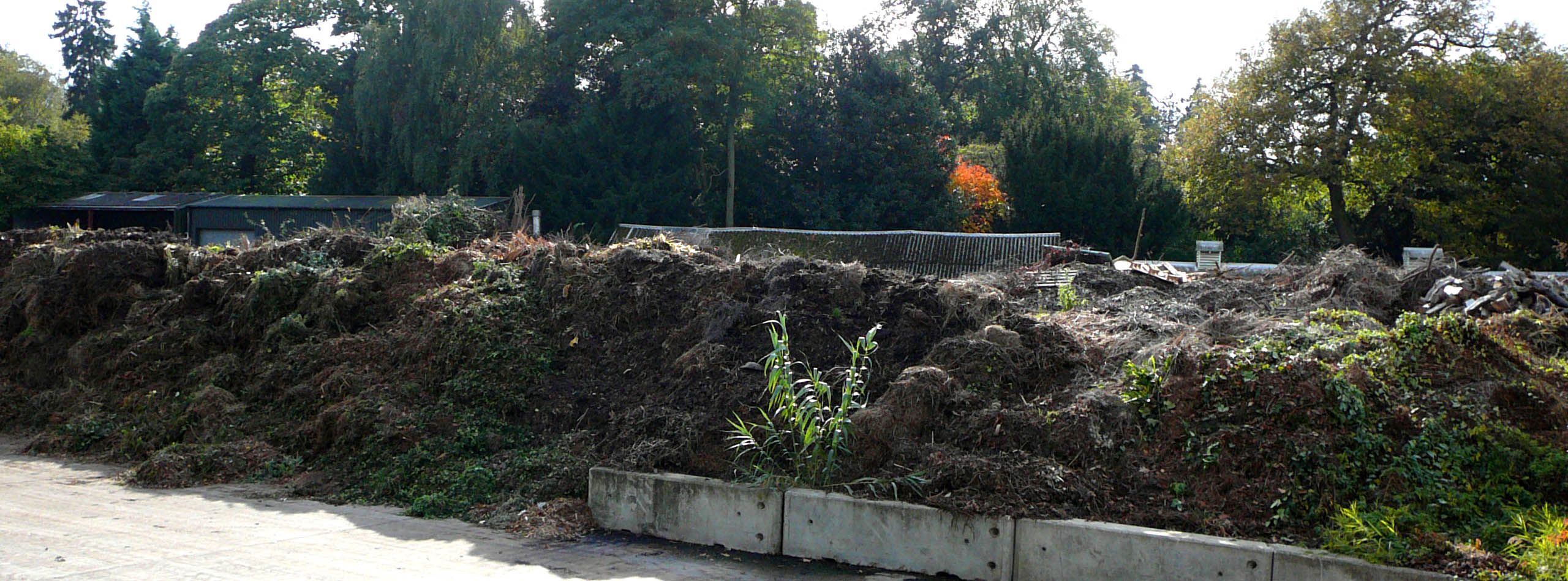
Composting harvest residues in late summer feeds next year's soil. A two-bay system allows one bay to mature while the other is filled.
Autumn: September – October
Harvest and soil preparation overlap from September onward:
- Root vegetables can stay in the ground until hard frost threatens. Parsnips taste better after the first frost, which converts starches to sugars.
- Winter squash (dynia) should be harvested when the skin resists a fingernail and the stem begins to dry.
- Garlic (czosnek): plant cloves 10–15 cm apart, 5 cm deep, from late September through October for a July harvest the following year.
- Green manures: phacelia, mustard, or winter field beans sown in September cover bare soil, prevent nutrient leaching, and improve structure when dug in the following spring.
Winter: November – January
The plot rests, but preparation continues:
- Apply lime to beds designated for brassicas if pH testing indicated acid soil (below 6.0)
- Spread compost or well-rotted manure over bare beds and leave it for winter rain and frost to work it into the surface
- Review seed stock and order early — popular Polish heirloom tomato varieties and specialist pepper seeds sell out at some suppliers by February
References
Related: How to Start an Allotment Plot in Poland — Raised-Bed Techniques for Small Urban Spaces